










Why Your Flooring Never Looks Quite the Same in Every Room
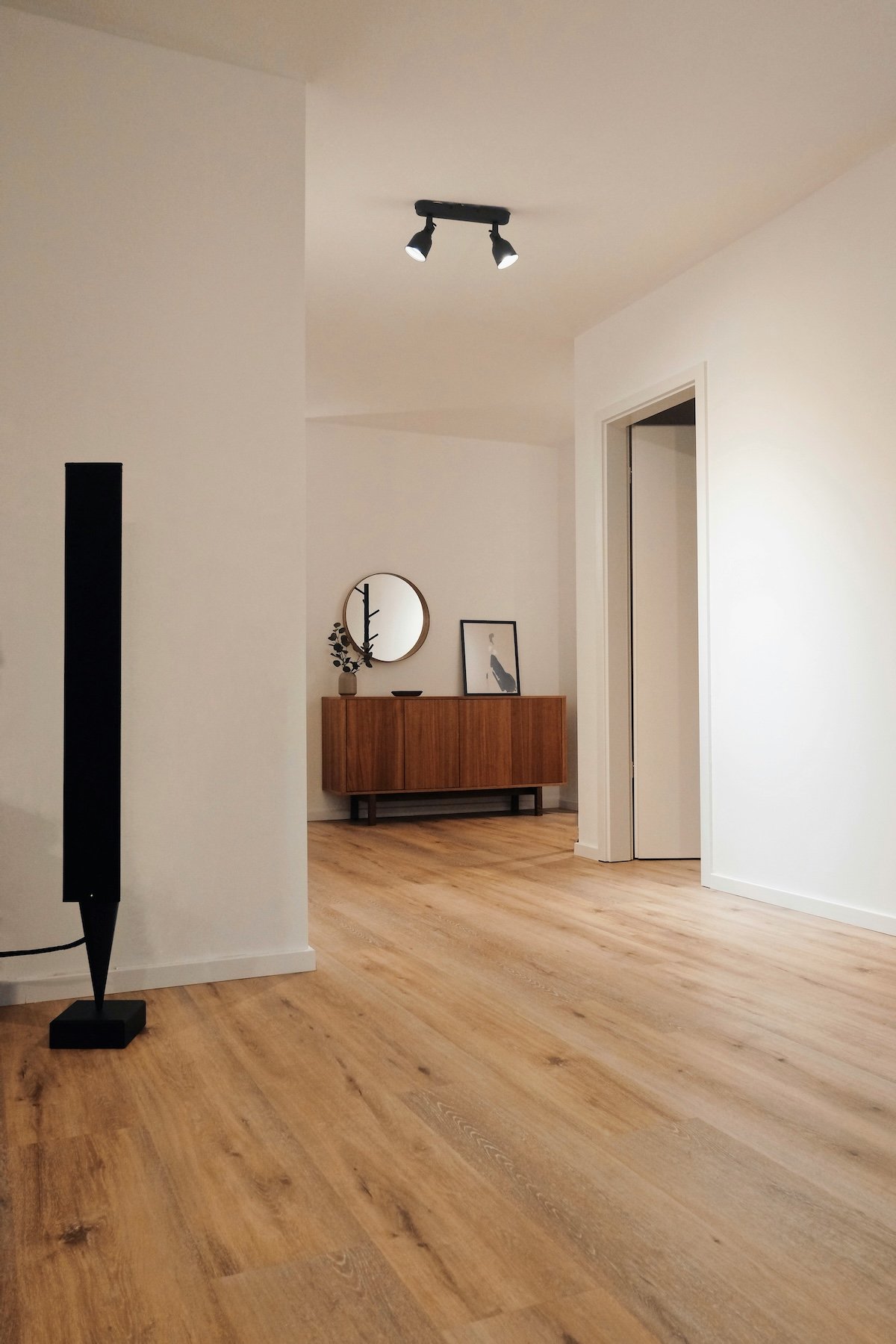
Ever noticed how the same flooring can look beautifully warm in one room but noticeably cooler in another? Or how a floor that looked like the perfect shade in a showroom suddenly appears darker once it’s installed?
It’s surprisingly common, and it doesn’t necessarily mean there’s anything wrong with the flooring itself.
From the direction of natural light to the colour of the walls, several factors influence how flooring looks once it’s in place. Understanding these differences can make choosing the right floor much easier, particularly when planning to use the same flooring throughout multiple rooms.
Natural Light Makes a Bigger Difference Than You Think
Natural light is one of the biggest influences on how flooring looks, and not every room receives it in the same way.
North-facing rooms typically receive cooler, more indirect daylight, which can make flooring appear slightly greyer or less golden than expected. Even warm tones can look more muted in these spaces.
South-facing rooms, on the other hand, generally enjoy warmer, brighter sunlight throughout the day. This can bring out golden, honey, and amber undertones in wood flooring, making the same floor look noticeably warmer.
East-facing rooms often benefit from bright morning sunlight before becoming cooler later in the day, while west-facing rooms tend to experience warmer light in the afternoon and evening.
These changes are particularly noticeable with natural wood flooring, while variations in grain and colour respond differently to changing light conditions.
Your Wall Colours Could Be Changing How Your Floor Looks
Wall colour doesn’t just influence the overall atmosphere of a room. It can also change how surrounding surfaces are perceived.
For example, a natural oak floor paired with warm cream walls might appear beautifully golden. Place that same flooring against cool grey walls, and its undertones could suddenly look more yellow or orange by comparison.
This is because colours are rarely viewed in isolation. The brain constantly compares neighbouring shades, meaning the same flooring can appear different depending on what’s around it.
Even white walls can make a difference. A crisp, blue-toned white creates a different contrast from a warmer off-white or ivory.
When choosing flooring, it’s worth considering the undertones of existing wall colours rather than focusing on whether the colours simply match.
Furniture and Surrounding Materials Matter Too
It’s easy to concentrate on flooring and paint colours while overlooking everything else in the room.
Furniture, rugs, kitchen cabinets, and even worktops can influence how a floor appears.
A medium parquet floor might look relatively light alongside dark walnut furniture but considerably deeper against pale oak cabinets. Similarly, black metal furniture and cool stone surfaces can emphasise different qualities than soft linen upholstery and warm wooden finishes.
Texture also plays a role.
A brushed wood floor, for example, has a more pronounced surface texture that interacts with light differently from a smooth finish. Depending on the lighting, the grain and natural variation may become more noticeable.
This is why flooring samples should always be viewed alongside the materials they’ll eventually sit next to.
Why Flooring Samples Can Look Different Once Installed
A small flooring sample is useful for understanding colour, texture, and finish, but it can’t always show how an entire floor will look.
Once installed, the overall appearance is influenced by the number of planks, natural colour variation, and the way light falls across a much larger surface.
This is especially relevant for solid and engineered wood flooring, where each plank has its own grain pattern and natural characteristics.
A single sample might contain more golden tones, while another highlights cooler or darker areas of the timber.
Laying several samples together can provide a better impression of the overall colour variation, particularly when choosing rustic-grade flooring with more visible knots and characters.
How to Choose Flooring That Works in Every Room
If the plan is to use the same flooring throughout the house, a little preparation can help avoid unexpected colour differences.
- Test samples in multiple rooms. Move them between north-facing and south-facing to see how the colour changes.
- Check them throughout the day. Look at samples in morning light, afternoon sunshine, and under artificial lighting.
- Compare against existing finishes. Place samples beside skirting boards, furniture, and kitchen cabinets.
- Consider the undertones. Neutral and balanced wood tones can be easier to coordinate across different colour schemes.
- Look at more than one plank. Natural variation is part of the appeal off real wood, so avoid judging an entire floor from a single sample.
It’s also worth remembering that flooring doesn’t need to look identical in every room to create a cohesive home.
Subtle differences in appearance can actually make each space feel more individual while maintaining continuity throughout the property.