








How to Design an Event Centrepiece That Earns Its Place
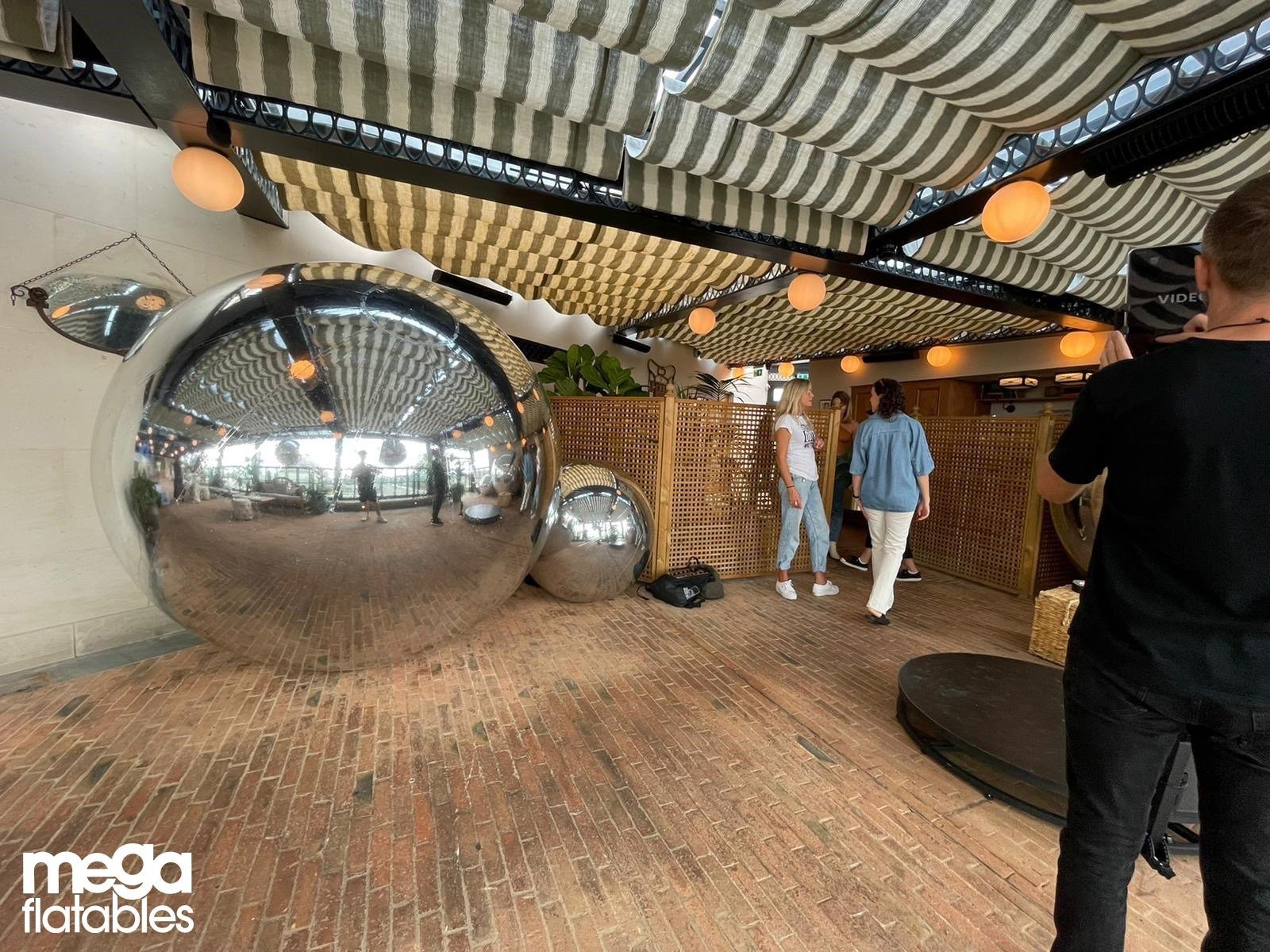
A giant display can dominate an event without making the event any better. It might look impressive in a proposal, yet leave visitors unsure where to go, what to photograph or why it is there. The more useful question is not how large a centrepiece should be, but what it should help people do.
For organisers considering premium inflatables, that means treating the installation as part of the visitor experience rather than a decoration added at the end. Begin with its purpose, then work through the setting, shape and practical details that will make the idea feel considered.
Give the Centrepiece a Clear Job
Decide whether the installation is intended to welcome guests, mark a meeting point, introduce a theme or frame a performance. Those are different jobs, and they should lead to different design decisions. A feature beside an entrance needs to make arrival feel obvious. A meeting point needs to be recognisable from several directions.
Try writing a one-sentence brief without describing the object itself. For example: visitors should immediately understand that they have reached the family activity area. Once that purpose is agreed, a playful character or oversized object becomes a possible answer rather than the starting assumption. Reject details that make the purpose harder to understand, however attractive they look in isolation.
Design for the Setting, Not a Blank Page
Review the proposed location before committing to a shape. Ask for photographs taken from the main approach, nearby seating and the places where queues are expected. Include the surrounding signs, buildings and displays rather than cropping them out. The installation will have to work alongside that visual background.
Think about contrast as well as colour. A pale form against a pale wall may need a different outline or position, while a complicated silhouette can become difficult to read against busy scenery. View the concept at thumbnail size as a useful creative test. The objective is not to reproduce the finished experience on a screen, but to spot ideas that rely too heavily on tiny details.
Use Scale With Restraint
Make the size serve the brief. A large central object could suit an open space, while a smaller feature might be a better choice for an intimate reception or a room with a low ceiling. Ask the design team to show people and surrounding furniture in the visualisation so that proportions are easier to judge.
Consider the closest viewing position too. An installation should not only work in a distant photograph. Look at what a guest standing beside it will see, and whether its most important details remain visible. Leaving space around a form may do more for the composition than simply increasing its height. A centrepiece needs a setting, not just a footprint.
Tell a Story on the Move
A centrepiece does not always need a fixed location. For a procession, parade floats can carry the event’s theme along the route, with a distinctive character or oversized object providing a focus for the group. Develop one clear idea and review it from the front, sides and rear. Spectators should not need a long explanation to understand what is passing them.
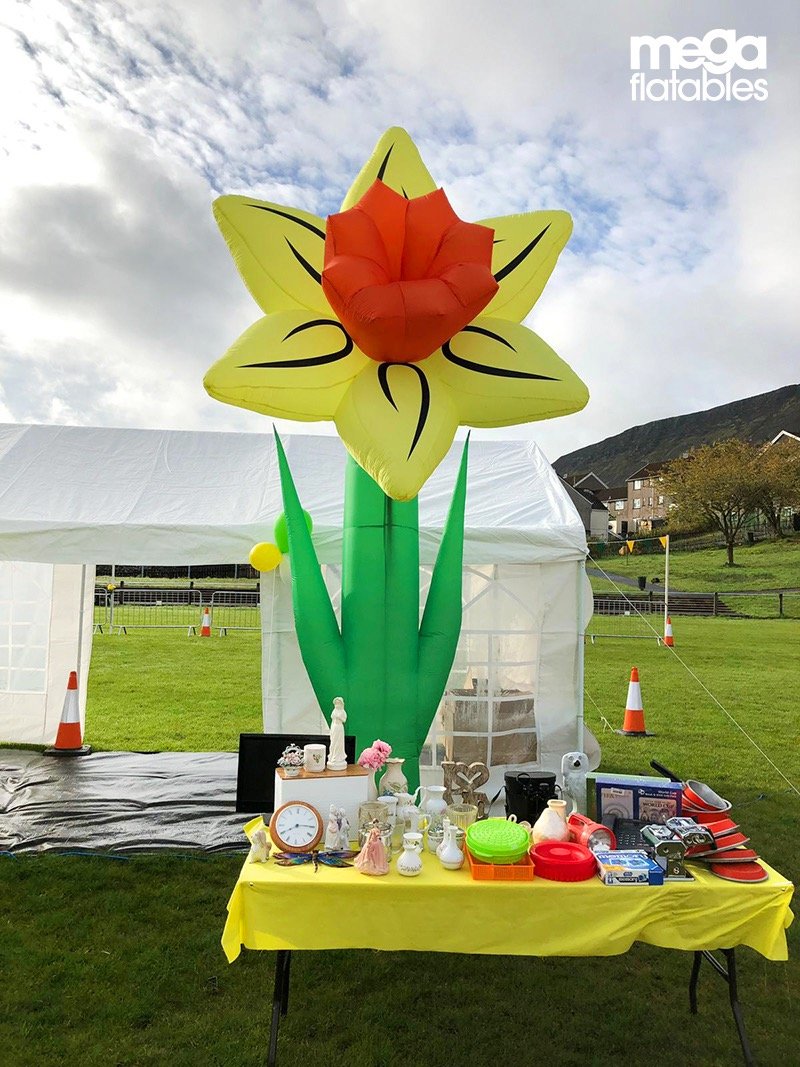
Coordinate costumes and smaller props with that central idea rather than adding unrelated details. An imagined garden-themed procession, for example, could pair an oversized flower with leaf-shaped accessories. Have the organiser and supplier review the route, handling arrangements and operating requirements before confirming the design. A display made for a stationary position should never simply be assumed suitable for movement. Keep performance duties separate from equipment-handling responsibilities, and rehearse within the agreed operating plan.
Make Photography Part of the Composition
Plan a place from which guests can comfortably take a picture without standing in the main route through the event. Think about the background, the direction of the light and where a small group might stand. Give the photographer enough distance to include both the installation and the people beside it.
A useful photo opportunity should feel optional, not like an obstacle. Keep it separate from check-in desks and other places where visitors need to move promptly. During the planning stage, sketch a wide photograph and a closer portrait view. This can reveal whether the proposed feature has a strong composition or only looks convincing from one carefully selected angle.
Judge Quality Through Specific Questions
The word premium is not a substitute for a clear specification. Ask how closely the finished shape will match the approved concept, how artwork will be positioned and what samples or visual proofs are available. Discuss whether the finish suits the intended lighting and how seams or attachment points will appear from the main viewpoints.
Include practical questions in the same conversation. Who will install the display, what equipment is required and how will it be packed afterwards? Request a schedule that allows time for review rather than relying on a last-minute approval. A successful commission depends on resolving these details before production, not on discovering them as the event opens.
Protect the Visitor Experience
Bring the proposed installation into the wider site plan early. Official event-site design guidance highlights the importance of ground conditions, access, exit routes and avoiding pinch points. Have the responsible event team assess the position and obtain the supplier’s requirements for installation and operation. Do not assume that open floor space is automatically suitable.
The creative review should also consider comfort. Could the feature obscure a view of the stage? Would its position make a quiet seating area feel crowded? Is there a clear way to pass without joining a photo queue? Asking these questions helps keep the installation in proportion to the event around it.
Think Beyond the Opening Photograph
Before approving the final artwork, consider whether the piece could have a useful role at another event. A flexible theme may offer more scope than a design built around a single date or announcement. Ask about suitable storage, cleaning, inspection and repair arrangements rather than assuming that reuse will take care of itself.
After the event, review how the centrepiece actually worked. Speak to the people managing arrivals, photography and guest enquiries. Did visitors use it as intended, or did they interpret it differently? The strongest next brief will come from those observations. A centrepiece earns its place when its visual appeal supports a clear purpose throughout the day, not merely when it looks large in the launch photograph.
Recent Posts

The Region Locking Detail That Blocks Imported Games From Booting
Many people collect games from other regions in order to find rare versions, faster versions,Read More