







Black market fears
Scottish drinkers braced for higher alcohol prices

Alcohol prices will rise in Scotland from tomorrow, making the price of beer, wines and spirits considerably more expensive than south of the border.
From midnight tonight it will be illegal to sell alcohol for less than 65p per unit, a sharp rise on the 50p level that has applied since the measure was introduced by the Scottish government six years ago.
Under the new minimum unit pricing (MUP) a bottle of whisky will cost £18.20. A case of Strongbow cider, on sale in England for £14, will cost Scottish consumers £23.40, because each can contains two units of alcohol.
The government points to research showing that the pricing policy is helping to cut alcohol-related disease and deaths. It is again looking to impose restrictions on the advertising and promotion of alcohol.
SNP ministers, supported by other parties at Holyrood, have forced up the unit price despite claims that it punishes responsible drinkers, and harms the drinks industry. Other research has questioned the impact of higher prices on reducing consumption and ill-health, while critics ask why the money raised goes to retailers rather than being ring-fenced to finance health measures.
Ministers also face accusations of double standards as they are considering calls to lift a 44-year ban on alcohol being sold at football stadiums. They have also appealed consistently for the UK government not to impose higher duties on drinks, particularly whisky.
There are expectations that some Scots will cross the border to stock up on alcohol and that it could even spark a black market.
Health Secretary Neil Gray said: “Research commended by internationally-renowned public health experts estimated that our world-leading policy has saved hundreds of lives, likely averted hundreds of alcohol-attributable hospital admissions and contributed to reducing health inequalities.”
Scottish Liberal Democrat economy spokesperson Willie Rennie MSP, a supporter of unit pricing said: “Scottish Liberal Democrats were the first party to call for an increase in minimum unit pricing. The original impact of minimum pricing has decreased over time as inflation has eaten away at the effectiveness of the policy.
“More than 20 people a week in Scotland die due to alcohol misuse. The opponents of minimum pricing need to explain what alternatives they are proposing to tackle the pressures that this imposes on our health and justice systems.”
However, Scottish Conservative shadow health secretary Dr Sandesh Gulhane said the policy “only punishes responsible drinkers during a cost-of-living crisis.
“SNP ministers remain wedded to this policy despite it monumentally failing to tackle Scotland’s shameful levels of alcohol deaths.
“Rather than a silver bullet, minimum unit pricing has proven to be a blunt instrument to tackle a complex problem and has even led to some people struggling with addiction skipping meals to continue to buy alcohol.
“SNP ministers – who have failed to properly fund treatment places – should accept it is time to take a different approach to tackling Scotland’s alcohol crisis.

“That starts by them finally changing their attitude and backing the Right to Recovery Bill. That has been backed by frontline experts, would enshrine in law a right to access treatment, and can be a potential game-changer in helping support those who need it most.”
Drinks industry experts have been unimpressed by the minimum unit policy, with the Scotch Whisky Association opposing it in the courts.
Research conducted by Public Health Scotland (PHS) and the University of Glasgow estimated that MUP had reduced alcohol-attributable deaths by 13.4% – 156 a year – and was likely to have reduced hospital admissions wholly attributable to alcohol by 4.1% up to the end of 2020 compared to what would have happened if MUP had not been in place.
PHS evaluation found no clear evidence of substantial negative impacts on the alcoholic drinks industry.

Daily Business has argued that alcohol consumption could be better controlled by supporting pubs and other bars where it is sold in legal measures rather than at home or in public places where there is no such control. This could be achieved through the tax system and promotions that would also help the on-trade.
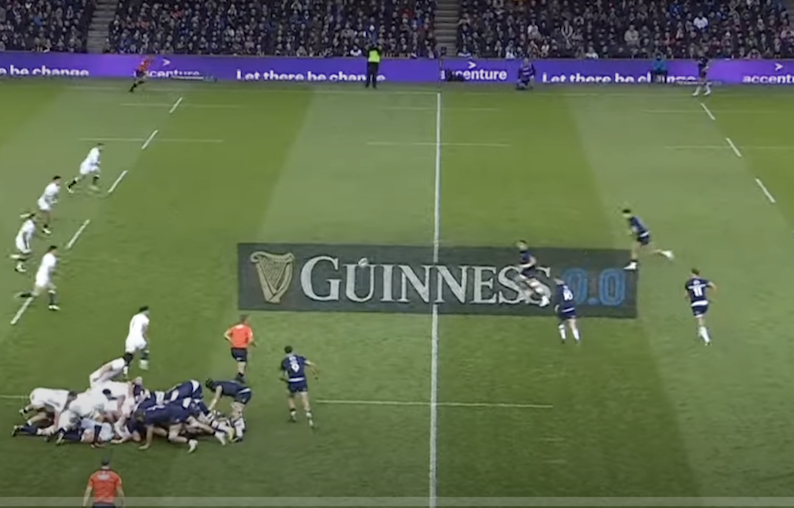
Ministers are looking to lift the ban on drinking alcohol at football stadiums which has been in place outwith hospitality areas since 1980.
SNP MSP George Adam believes it is time the restrictions were lifted to help clubs raise revenue.
“Things have moved on in football and we need to look at this as a way of helping football clubs being able to generate more money,” he said.
“You already have alcohol at football games in corporate, it’s just a case of finding other areas or zones in grounds to do that and make sure it’s a safe and controlled environment.”
However, ministers are again looking at the promotion of alcohol which caused a furore when it was previously proposed.
Speaking at the Tory conference in Birmingham yesterday, the new Scottish Tory leader Russell Findlay said: “The SNP are still talking about a merchandise ban for alcohol brands.
“While I enjoy a pint of Tennent’s as much as anyone, the red letter ‘T’ on a glass does not force me into the nearest pub.
“We don’t need hectoring bans on beer glasses. We just need to respect people as grown-ups who can make their own decisions.”
Recent Posts
Poundland collapses leaving 11,000 jobs at risk
More than 11,000 jobs across the UK are at risk after high street retailer PoundlandRead More
