








The True Scale of Uninsured Driving on UK Roads
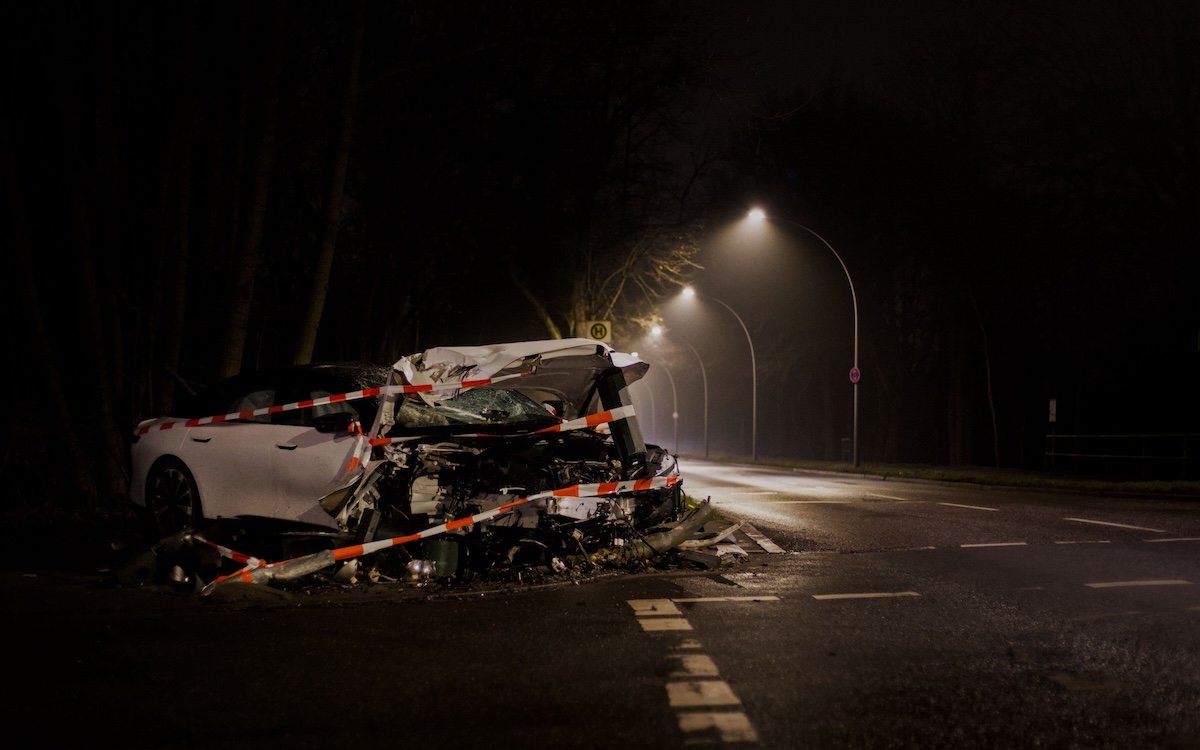 Photo by Julien : https://www.pexels.com/photo/nighttime-car-accident-in-berlin-street-35784044/
By law, every vehicle on a UK road needs motor insurance. You’d think that alone would keep uninsured cars off the road, but the Motor Insurers’ Bureau (MIB) estimates around 335,000 uninsured vehicles are out there on any given day.
The cost hits everyone. Insured drivers pay more through higher premiums, and the strong overlap between uninsured driving and other serious road offences makes the problem far bigger than just missing paperwork. So who’s actually paying for all of this?
Seizures, Fines and a Bill That Lands on You
In 2025, police forces seized nearly 160,000 uninsured vehicles, the highest figure in 17 years. That number keeps climbing. Officers use Automatic Number Plate Recognition (ANPR) cameras that cross-check plates against the Motor Insurance Database in real time, and a flagged vehicle can be stopped and taken off the road on the spot under Section 165A of the Road Traffic Act 1988.
Drivers caught without cover will face a £300 fixed penalty and six points on their licence, plus an IN10 endorsement that stays on their record for four years. The penalties don’t stop there. That endorsement alone will push future insurance quotes up considerably, sometimes for years after the original offence.
Most people don’t see the hidden cost though. The MIB compensates victims of uninsured and hit-and-run collisions, and that bill gets funded through a levy charged to every motor insurer in the country. Insurers pass it straight on to their customers, adding an estimated £30 to £50 to every single policy sold. So if you’re insured, you’re already subsidising the people who aren’t.
The Drivers Who Don’t Realise They’re Uninsured
Here’s what gets missed too often: not every uninsured driver is deliberately breaking the law. They genuinely don’t know. One of the most common causes is using a vehicle for business purposes that a standard personal policy won’t cover, and it happens all the time in motor trade work.
Think about a mechanic road-testing a customer’s car after a service, a mobile tyre fitter driving between jobs, a part-time dealer picking up stock from auction, or a valeter moving vehicles around a forecourt. The same goes for breakdown recovery operators driving vehicles they don’t own. It catches people out. In all of these cases, the driver needs specialist insurance for motor traders instead of a personal policy, because standard cover simply doesn’t extend to commercial motor trade activity.
MIB data consistently shows a strong connection between uninsured driving and wider criminal behaviour, from speeding and drink-driving to driving stolen vehicles and driving while disqualified, so the issue runs much deeper than a lapsed policy. The “accidentally uninsured” group is different though. Better awareness and clearer guidance from insurers could genuinely fix that side of the problem.
What Every Insured Driver Ends Up Paying For
According to the Motor Insurers’ Bureau, someone in the UK falls victim to an uninsured or hit-and-run driver once every 20 minutes. ANPR technology has made it much harder to slip through undetected, and targeted police operations like the annual Operation Drive Insured focus on hotspot areas where uninsured driving runs highest across the country. Seizure numbers are at a 17-year peak. The tools to catch people are clearly working.
But catching uninsured drivers after the fact and stopping them from being on the road in the first place are two different problems. Until the number of uninsured vehicles actually falls, every insured motorist will keep paying the MIB levy through their own premium, quietly subsidising the people who either chose not to insure or didn’t realise they needed to.
That £30 to £50 per policy doesn’t sound like much on its own, but multiply it across every insured driver in the country and you’re looking at a collective bill running into hundreds of millions of pounds a year, all because roughly 300,000 vehicles are still out there without cover.
Recent Posts
Power BI for finance teams: what it changes about month-end reporting
In most finance teams, the final week of the month follows a familiar pattern. TheRead More